
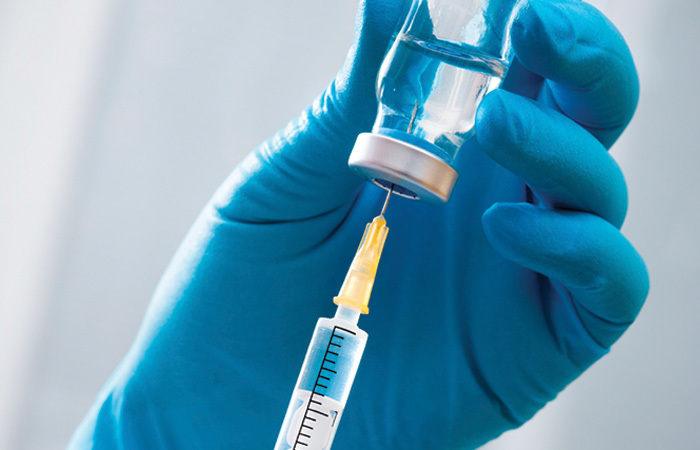
For many women and young people, the contraceptive injection is an empowering option because it does not require a daily routine and provides long lasting protection for several months at a time.
Pro Tip:
Always consult a healthcare provider before starting or switching contraceptive methods. Nurses at HealthPosts are available to offer counseling and guidance on whether the contraceptive injection is the right choice for you.
How the Contraceptive Injection Works
The contraceptive injection contains a hormone called progestin. It prevents pregnancy in three main ways:
First, it stops ovulation, meaning no egg is released from the ovary.
Second, it thickens cervical mucus, making it difficult for sperm to reach the egg.
Third, it thins the lining of the uterus, reducing the chances of implantation.
When administered on time, the contraceptive injection is over ninety nine percent effective, making it one of the most reliable methods of contraception available.
Types of Contraceptive Injections
There are two main types of contraceptive injections:
Depo Provera, also known as DMPA, which is given every twelve weeks or three months.
Noristerat, which is given every eight weeks or two months.
Both injections work in a similar way but differ in how long each dose lasts and the schedule for administration.
Benefits of the Injection
The contraceptive injection provides long lasting protection for two to three months per dose.
It is highly effective when given on schedule.
It is discreet and convenient, with no daily pill to remember.
It can help reduce menstrual cramps and heavy bleeding.
It is suitable for women who cannot use estrogen based contraceptives.
Possible Side Effects
Like any medical method, the contraceptive injection may cause some side effects. These may include irregular bleeding or spotting, especially during the first few months, changes in weight, headaches, or mood changes.
Some people may experience a delay in the return to fertility after stopping the injection, usually within six to twelve months. Most side effects lessen over time, and a healthcare provider can help manage them if they persist.
Common Myths About the Injection
A common myth is that the injection causes permanent infertility. In reality, fertility usually returns after stopping the injection, although it may take several months.
Another myth is that the injection works immediately at any time during the menstrual cycle. In fact, the first injection is most effective when given within the first seven days of menstruation.
Some believe the injection protects against sexually transmitted infections. This is false. The injection only prevents pregnancy, and condoms are still needed for protection against STIs.
Accessibility for Youth
The contraceptive injection is widely available at health facilities, pharmacies, and youth friendly centers. HealthPosts provide free or low cost injections, confidential and judgment free services, and counseling to help young people make informed reproductive health choices.
Conclusion
The contraceptive injection is a reliable, convenient, and empowering method of preventing pregnancy. With timely doses and proper medical guidance, it offers months of protection and greater control over reproductive health. Since it does not protect against sexually transmitted infections, combining it with condom use remains the safest approach.
Visit a HealthPost today for free counseling and access to contraceptive injections tailored to your needs.